**Yes, you can feel blocked because you’re translating instead of feeling.**
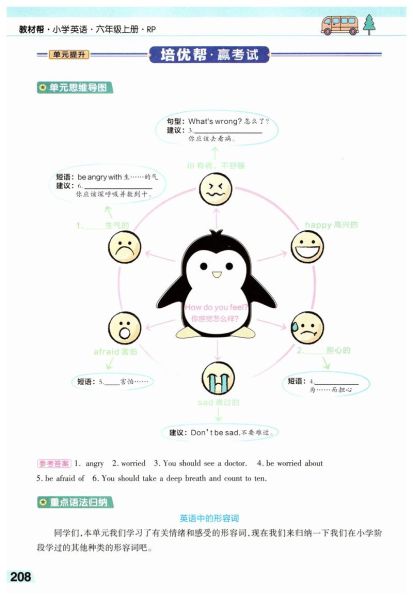
Most learners hit a wall when they try to turn every emotion into a neat dictionary entry. The moment you stop hunting for “the perfect word” and start describing what’s happening inside your body, the wall crumbles.
---
Why Does Emotional Fluency Stall?
**Three silent saboteurs** keep us tongue-tied:
- **Perfectioni *** **: We fear sounding childish, so we say nothing.
- **Literal Translation**: “I’m angry” becomes the only option, even when you’re actually “boiling under the collar.”
- **Cultural Gap**: English often softens feelings with humor or understatement, while other languages go direct.
Ask yourself: *Am I describing the emotion or the situation?*
If you answer “the situation,” you’re still outside the feeling. Step inside.
---
Micro-Steps to Unlock Expression
### 1. Borrow the Body
Describe **physical signals** first.
Instead of “I’m nervous,” try:
“My palms are damp and my pulse is tap-dancing.”
Listeners feel the scene; you bypass the vocabulary gap.
### 2. Steal from Fiction
Pick one novel you love. Highlight every sentence where a character **shows** emotion without naming it.
Example: “She folded the letter twice more than necessary.”
Practice rewriting your own moment using the same structure.
### 3. Use the 1-to-10 Thermometer
Rate the intensity aloud:
“I’m at a 7 on the frustration scale.”
It gives both you and your listener a precise starting point.
---
Common Roadblocks & Quick Fixes
**Roadblock**: “I sound dramatic.”
**Fix**: Add a softener.
“I’m absolutely shattered, *though I know it’s just been a long week.*”
The second clause keeps you from feeling exposed.
**Roadblock**: “I repeat the same three adjectives.”
**Fix**: Rotate **metaphor families**.
- Weather: “a fog of gloom”
- Temperature: “a lukewarm interest”
- Texture: “a prickly silence”
---
Three Daily Drills That Actually Work
1. **Voice Memo Diary**
Record 60 seconds each night using only sensory language.
“I tasted metal when the email arrived.”
Play it back; notice which phrases feel natural.
2. **Emotion Forecast**
Text a friend each morning: “Today’s emotional weather: scattered showers of doubt.”
It normalizes playful expression.
3. **Reverse Translation**
Take a paragraph from your native-language diary. Translate it into English **without using any direct emotion words**.
You’ll invent fresh phrasing you’ll actually remember.
---
What If You Still Freeze Mid-Sentence?
Ask the **micro-question**: *What would a five-year-old say?*
Children blurt body truths: “My tummy is tight.”
That raw simplicity often breaks *** logjams.
Another trick: **Name the blocker aloud**.
“I’m searching for a fancy word when a plain one will do.”
Saying the obstacle dissolves it.
---
Personal Insight: The Power of Imperfect Honesty
I once coached a software engineer who could debug code in six languages yet said “I’m fine” through a divorce.
Our breakthrough came when he admitted, “I feel like a server at 99% CPU, still pretending to handle new requests.”
The metaphor was technically sloppy—servers don’t “feel”—but it was **exactly** what his friends understood.
Fluency isn’t precision; it’s resonance.
---
Closing Data Point
A 2023 Cambridge study tracked 400 intermediate learners who practiced **body-first descriptions** for eight weeks.
Average active emotion vocabulary rose from 42 to 137 words, but the bigger shift was **confidence**: 78% reported “I no longer panic when asked how I feel.”
The takeaway? **Start with sweat, heartbeat, and breath—words will follow.**



暂时没有评论,来抢沙发吧~